

Select A Location

Follow Us

Our Blogs – Health & Care

Explore expert articles, health tips, and the latest updates to help you stay informed and make better healthcare decisions.

Dr Surej Subash

Dr Surej Subash

Posted on September 1st 2026
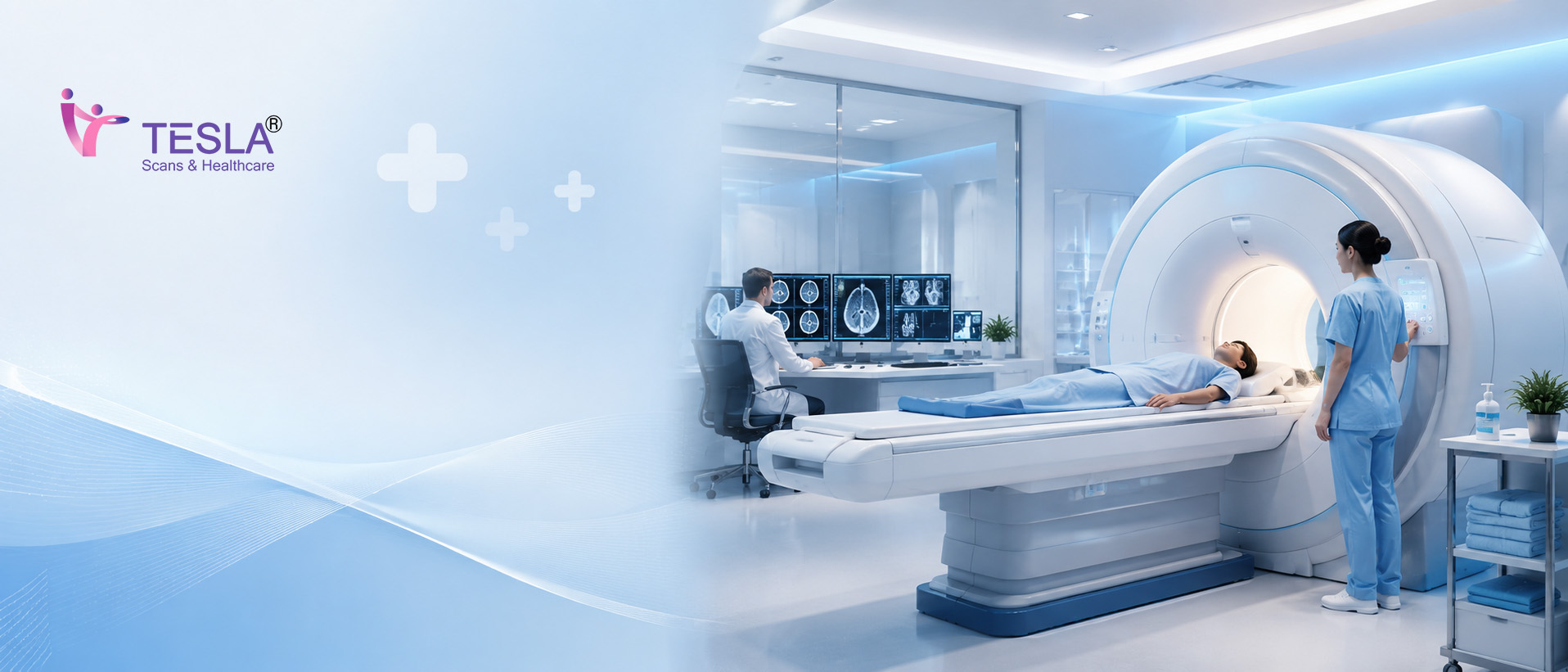
MRI scanner in a hospital setting

What Makes a Radiology Centre Reliable? Advanced Imaging, Patient Safety and Accurate Reporting

Choosing a radiology centre is about more than finding a convenient place for an MRI, CT scan or X-ray. What makes a reliable radiology center goes beyond the equipment inside the facility. The quality of the examination, safety procedures, professional expertise and reporting process all have a role in producing useful diagnostic information. For patients, these details may not always be easy to assess. Knowing what to look for can help you choose a centre with greater confidence and ensure that your imaging examination provides information your doctor can use.

Key Signs of a Reliable Radiology Centre

A dependable radiology centre should offer more than advanced equipment. Before booking an examination, consider whether the centre provides:

  • Appropriate imaging technology: The equipment should be suitable for the type of examination required.
  • Qualified professionals: Trained radiology technologists should perform examinations correctly, while qualified radiologists interpret the images.
  • Established safety protocols: Patients should receive appropriate screening, preparation and examination-specific instructions.
  • Clear reporting: Findings should be communicated accurately and in a way that supports the treating doctor's clinical assessment.
  • Reliable turnaround times: Patients should have a clear understanding of when their reports are expected.

How Does Imaging Technology Support Better Diagnosis?

Modern imaging allows doctors to examine structures inside the body without surgery. The technology used depends on what needs to be investigated.

MRI is particularly useful for soft-tissue imaging. CT can produce detailed cross-sectional images quickly. Digital X-ray remains widely used for bone and chest examinations. Ultrasound uses sound waves to create images in real time, while mammography is designed specifically for breast imaging.

The availability of advanced imaging technology in diagnostic centres can therefore make it easier for doctors to select an appropriate examination based on the patient's symptoms and clinical needs.

At Tesla Scans, we provide 1.5T Digital MRI, Advanced CT, Digital X-ray, 3D/4D Ultrasound and Mammography across our radiology network. This range allows patients to access different forms of diagnostic imaging through its centres.

Choosing a 1.5 Tesla MRI Scan Centre

A 1.5 Tesla MRI system uses a strong magnetic field and radio waves to create detailed images without ionising radiation. It is commonly used to examine areas such as the brain, spine, joints and other soft tissues.

For someone comparing a 1.5 Tesla MRI scan centre, the scanner strength should not be the only consideration. The imaging protocol, patient positioning, equipment operation and reporting process also influence the quality of the examination.

Our 1.5 Tesla MRI services are available at locations including Kunnamkulam, Irinjalakuda and Kodungallur.

Patient Safety During Diagnostic Imaging

Good radiology patient safety standards begin before the examination itself. The precautions required depend on the type of imaging being performed. MRI requires careful screening because its strong magnetic field can interact with certain implants, medical devices and metal objects. Patients should inform the imaging team about relevant implants, previous procedures or other concerns before entering the MRI room. CT and X-ray examinations use ionising radiation. The amount of exposure varies according to the examination and protocol. Appropriate clinical use and suitable dose-management practices help obtain the required images while avoiding unnecessary exposure. Preparation is another part of safe imaging. Depending on the examination, patients may need to fast, remove metal objects or follow specific instructions when contrast material is required. Following these instructions can also help the examination proceed as planned.

The Importance of Accurate Radiology Reporting

The scan itself is only one part of the diagnostic process. Once the images have been obtained, they need to be reviewed and interpreted by a qualified radiologist. Accurate radiology reporting depends on several factors. The examination should address the clinical question. The images need to be suitable for interpretation. Relevant symptoms and medical history can also provide useful context when the radiologist assesses the findings. A useful report does more than describe what appears in an image. It gives the treating doctor information that can support the next clinical decision. Depending on the findings, this may involve treatment, follow-up imaging or further investigation.

When Should You Expect Your Scan Report?

Scan report turnaround time can be important when a doctor needs the imaging findings before deciding on the next step in care. However, speed should not replace proper review of the images. At Tesla Scans, MRI reports are delivered digitally on the same day in most cases. Patients can confirm the expected reporting time for their particular examination when making an appointment.

Why Do the Professionals Behind the Scan Matter?

Good imaging depends on more than the machine being used. Radiology technologists prepare the patient, position them correctly and operate the equipment according to the required examination protocol. Radiologists then assess the resulting images and prepare the report. This professional expertise is important because imaging equipment needs to be used correctly to produce useful results. The final interpretation also depends on clinical judgement rather than the machine simply producing an image.

The Role of Radiology Professionals

A scan can feel unfamiliar, especially when a patient is already concerned about a health problem. Clear communication before the examination can make the process easier. Patients should understand how to prepare, what the procedure involves and when they can expect their report. Staff should also be available to address relevant questions about the examination. Accessibility can become particularly useful when imaging is needed for monitoring or follow-up. Tesla Scans has centres in Kunnamkulam, Irinjalakuda, Kodungallur, Chalakudy, Mala, Muvattupuzha and Amballur.

Choosing a Radiology Centre With Confidence

A reliable radiology centre brings together suitable technology, careful safety practices, trained professionals and responsible reporting. Looking at the complete process gives patients a better basis for deciding where to have an examination. Tesla Scans & Healthcare provides MRI, CT, digital X-ray, ultrasound and mammography services across its network. Patients can choose a centre based on their diagnostic requirements while following the advice of their healthcare provider.

Frequently Asked Questions

  1. How do I know if my MRI scan report is accurate?

    An MRI report is prepared by a qualified radiologist after reviewing the images. Image quality, the examination protocol and relevant clinical information can all contribute to interpretation. If the findings do not appear consistent with your symptoms, discuss the report with your treating doctor.

  2. What should I check before booking an MRI scan?

    Consider the type of MRI equipment available, the qualifications of the imaging professionals and the centre's safety screening process. It is also useful to ask about preparation requirements and when the report is expected to be available.

  3. Is an MRI scan safe? does it use radiation?

    MRI does not use ionising radiation.It creates detailed internal images by combining magnetic fields with radiofrequency signals. Safety screening is still important because certain implants, medical devices and metal objects may not be suitable for an MRI environment.

  4. How much radiation does a CT scan expose you to?

    There is no single radiation dose for every CT examination. Exposure varies depending on the body area being examined, the scan protocol and other factors. Your doctor can explain why a CT scan is appropriate for your particular situation.

  5. What is the difference between MRI and CT scan, which one do I need?

    MRI uses magnetic fields and radio waves and is particularly useful for detailed soft-tissue imaging. CT uses X-rays and can produce images quickly. The appropriate examination depends on the clinical question and should be determined with your healthcare provider.

  6. How long does it take to get an MRI report?

    The time needed to prepare an MRI report can vary with the type of scan and the centre. Some reports may be available on the same day, while others can take longer. It is a good idea to ask about the expected reporting time when you book the examination.

  7. Can I get a second opinion on a scan report?

    Yes. If you are unsure about the findings or want another review, you can speak with your treating doctor. The scan images can also be reviewed by another qualified radiologist for a second opinion.

This article is for educational purposes only and should not replace professional medical advice. Always consult a qualified healthcare professional for diagnosis and treatment recommendations.

About the Author

Dr Surej Subash - Physician at Tesla Scans & Healthcare, Thrissur

Dr Surej Subash

Physician | Tesla Scans & Healthcare, Thrissur

Dr Surej Subash is a physician associated with Tesla Scans & Healthcare, Thrissur. With a patient-focused approach to healthcare, he is committed to providing attentive clinical care and helping patients make informed decisions about their health and well-being.

Tesla Scans & Healthcare, Thrissur, Kerala